
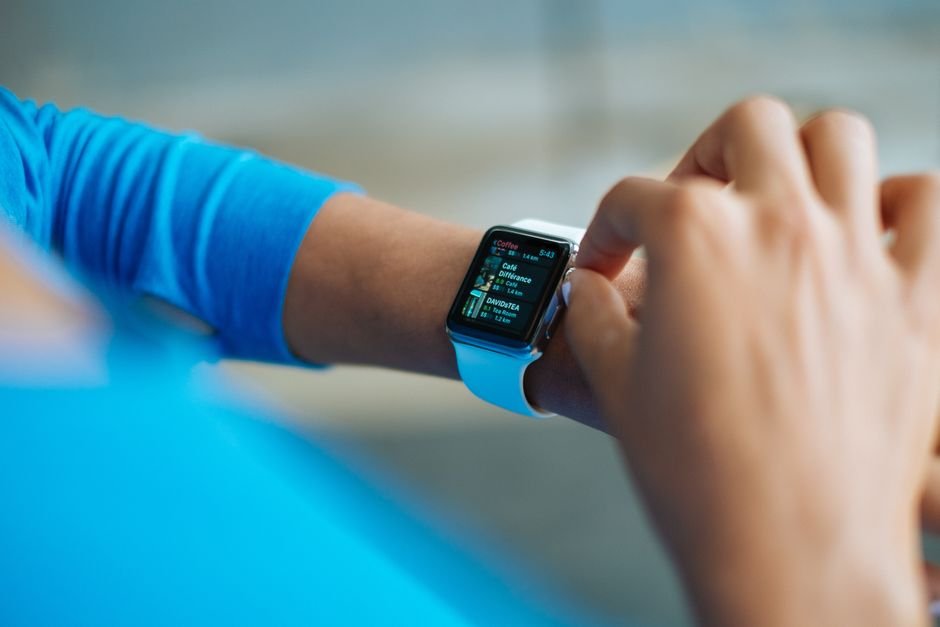

For the first time, AI assistants have moved from your phone screen to your fingertip. Natura’s new Interface smart ring—priced at just $99—represents a significant shift in how we might interact with AI agents throughout the workday, combining gesture-based task automation with health monitoring in a form factor small enough to forget you’re wearing.
The competitive smart ring market has been heating up over the past year, with players like Oura and Samsung releasing feature-rich wearables aimed at health-conscious consumers. But Natura’s entry stands apart by leading with AI-first functionality rather than treating intelligence as an afterthought. The ability to summon AI agents with a simple finger press, capture thoughts and commands without pulling out a phone, and control connected devices makes this less of a fitness tracker with features and more of a genuine wearable computing platform.
What makes this technology news particularly relevant to enterprise and technical audiences is the timing. As organizations wrestle with bringing generative AI into their workflows, consumer products like this create new expectations about accessibility and ease of use. A manager who summons an AI agent on her ring to draft an email or capture meeting notes will likely demand the same fluidity from enterprise tools. That gap between consumer and business software continues to narrow.
How the Interface Ring Actually Works
The Interface operates as a connected device that pairs with your phone and cloud services. A press of the ring triggers a voice or gesture interface where you can speak commands, ask questions, or dictate notes. Early demonstrations show it handling straightforward requests: setting reminders, sending messages, retrieving information from the cloud, and controlling smart home or office devices. The ring also tracks heart rate, sleep, and activity—standard fare for modern wearables but useful context for understanding your daily rhythm.
The real innovation isn’t any single feature but the reduction of friction between intention and action. Instead of unlocking your phone, navigating an app, typing or speaking into a microphone held at arm’s length, you simply touch your ring. For knowledge workers juggling multiple tasks, that might sound trivial until you multiply it across dozens of daily interactions. Natura is betting that small friction reductions compound into genuine productivity gains.
Battery life and connectivity matter enormously for a wearable this ambitious. The company hasn’t disclosed exact specifications yet, but the device is positioned as an all-day wearable, which typically means 24–48 hours between charges for rings in this category. Reliability of the AI responses and latency of the voice interface will make or break adoption—a two-second delay before your agent acknowledges a command feels like a regression compared to your phone.
Enterprise Adoption and Security Questions
The industry trends point toward increasing acceptance of wearables in professional settings, though adoption remains uneven. Some organizations have embraced smartwatches for notifications; others restrict them as security risks. A smart ring with always-on AI listening and gesture recognition introduces new compliance questions that IT teams will need to address.
Who owns the data captured by an on-finger AI agent in a corporate context? If you dictate confidential project details to your ring, are those recordings encrypted, held locally, or sent to Natura’s cloud? Health data collected alongside task data raises privacy concerns, especially for organizations operating under GDPR, HIPAA, or other regulatory frameworks. The Natura ring will likely need enterprise-grade privacy controls and audit trails before many large organizations consider deploying them to staff.
For now, the product appears positioned toward early adopters and consumers rather than IT procurement teams. But as smart ring adoption grows, enterprise security considerations will follow. Early product launches often struggle with these requirements, and Natura will need robust answers about data residency, encryption, and administrative oversight if it wants to penetrate the business market.
What This Means for IT Teams
Who is affected: Mid-sized organizations with hybrid workforces using Microsoft 365, particularly those where staff work with confidential information, may face requests to support or approve smart rings as employees bring them into the workplace. Organizations in regulated industries should anticipate compliance questions around wearable data collection.
Severity: Medium. The ring itself poses no immediate threat to your infrastructure, but the presence of always-recording wearables in the office creates new data governance and compliance considerations that you should document now, before employees start asking.
Do this week:
- Review your current bring-your-own-device policy and note whether it explicitly covers wearables; if not, draft language defining what data collection devices are permitted in your environment and where.
- Check whether your Microsoft 365 tenant has conditional access policies configured—if employees connect personal wearables via OAuth or third-party integrations, you’ll want controls over which apps and data they can access.
- Document your organization’s data classification standards and confirm staff understand what information is acceptable to share via voice commands on any device, wearable or otherwise.
Safe to ignore if: Your organization has a strict device lockdown policy where employees use only company-issued hardware and all personal gadgets are prohibited from the office.
Our take: Smart rings with AI agents are coming whether IT departments like it or not, and the sub-$100 price point removes cost as a barrier to widespread adoption. The better strategy is to establish clear, documented expectations now rather than scramble to enforce rules later when half your staff is already wearing one.
Key takeaway: Natura’s $99 Interface ring represents a genuine shift in wearable computing and artificial intelligence accessibility, but its enterprise implications depend entirely on how Natura handles data privacy and security—questions the company hasn’t fully addressed yet.
If your organization is considering a bring-your-own-wearable policy, what specific data governance issues worry you most: unauthorized recording in sensitive areas, integration with cloud services, or something else entirely?
Source: Natura’s smart ring launches with AI agents at $99
Get Tech Savvy Digest in your inbox
IT news, cybersecurity, and crypto — the signal, not the noise. No spam, unsubscribe anytime.