
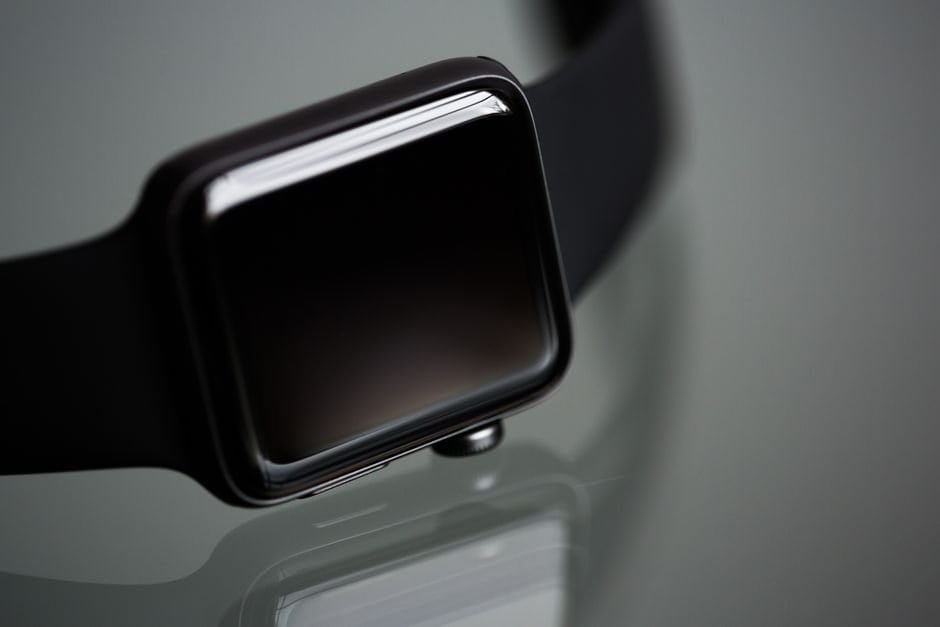

When was the last time you had a private conversation? If you’re wearing the latest Apple Watch, that question just became significantly more complicated. The latest product launch from Apple introduces AI-powered features that can transcribe speech and summarize ambient conversations directly on your wrist—without storing the raw audio, the company insists. Yet this distinction feels increasingly hollow as we grapple with a more unsettling reality: consumer technology is actively normalizing the idea that our devices should always be listening, always recording, always analyzing what happens around us.
This isn’t about paranoia. This is about the slow erosion of expectations around privacy and consent, wrapped in the shiny packaging of convenience. And it represents a broader shift in how the technology news cycle covers innovation—often celebrating features without adequately examining their social implications.
The Audio Question Nobody Wants to Answer
Apple’s marketing materials make a particular point about not storing raw audio files. This detail appears designed to sidestep privacy concerns, suggesting that because the audio doesn’t persist on the device, the problem doesn’t really exist. But this framing misses something fundamental: the listening itself is the issue, not just the storage. When your wearable is actively capturing and processing ambient speech in real time, you’re creating a surveillance device whether or not it keeps logs.
The transcription and summarization capabilities transform a simple wearable into a context-aware listener. These features don’t require malicious intent to become problematic. Consider a workplace scenario where someone wearing an Apple Watch sits in on a confidential meeting. Now consider a medical appointment, a therapy session, or a private conversation between family members. The watch is processing all of it, extracting meaning from it, and generating summaries of sensitive information. Users might feel this is convenient, but everyone around them never agreed to this arrangement.
This creates what researchers call the ‘context collapse’ problem—where technology designed for one audience inadvertently captures information meant for another. Your watch might process something it hears in a coffee shop, capturing nearby conversations from strangers who had no idea they were being analyzed by ambient AI.
How Industry Trends Shape Our Behavioral Choices
The real danger in Apple’s product launch strategy lies in how it influences broader industry trends. When a company as influential as Apple normalizes always-on listening as a standard feature, competitors feel pressure to follow. Soon, ambient listening becomes expected rather than controversial. We’ve seen this pattern before—from location tracking to app permissions to behavioral advertising. Each incremental step feels reasonable in isolation, but collectively they reshape what we consider normal surveillance.
Worse, once these features become standard, our behavior changes. Social scientists have documented this for decades: when people believe they might be observed, they self-censor and conform. Workers speak more carefully around devices. Families become more guarded. The watch isn’t just listening; it’s subtly reshaping how people interact with one another, making us more performative and less authentic in our own lives.
This behavioral shift has real costs. Creativity, vulnerability, and genuine human connection require psychological safety—the confidence that what you say won’t be recorded, analyzed, or used against you. When technology normalizes ambient surveillance, it erodes that safety incrementally.
The Missing Consent Framework
Perhaps the most troubling aspect of this technology news cycle is how little discussion surrounds meaningful consent. Apple users can opt into these features, but the broader ecosystem question remains unanswered: what about everyone else in the room? When your Apple Watch transcribes a conversation, no one else present has consented to being recorded and analyzed by proprietary AI systems.
Current privacy regulations barely address this scenario. GDPR and similar frameworks were designed for an earlier era of technology, before wearables became ubiquitous listening devices. We don’t have legal structures that protect the non-users in these situations—the bystanders who find themselves captured by someone else’s device.
The industry needs to develop clearer standards around ambient AI and consent disclosure. Should devices with these capabilities need to announce themselves? Should there be technical limitations on what they can process? Should regulators require opt-in consent from everyone in proximity? These questions are urgent, and the technology news media should be asking them more forcefully.
Key takeaway: Apple’s new ambient AI features represent a critical inflection point for wearable technology. While the company avoids storing raw audio, the act of listening itself fundamentally changes how we interact and feel observed. Industry trends suggest other manufacturers will follow, and without meaningful consent frameworks or behavioral safeguards, we risk cementing a future where always-on listening becomes unremarkable—just another feature of consumer technology that everyone accepts as normal, even if nobody really wanted it.
As we navigate this shift, the technology news community has a responsibility to move beyond celebrating innovation and dig deeper into consequences. The question isn’t whether Apple can make wearables that listen to everything around them. The real question is whether we should want to live in a world where that becomes standard practice. What privacy lines, if any, would make you reconsider wearing these devices?
Get Tech Savvy Digest in your inbox
IT news, cybersecurity, and crypto — the signal, not the noise. No spam, unsubscribe anytime.