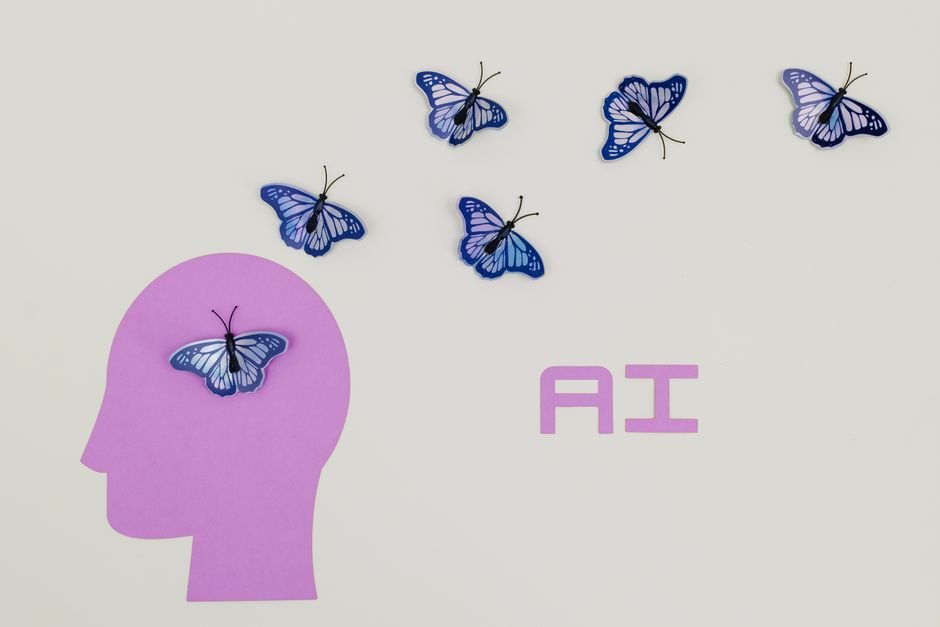

When the chief scientist of one of the world’s most powerful AI companies starts talking about the need to slow down, it’s worth paying attention. That’s exactly what’s happening as OpenAI’s Jakub Pachocki raises concerns about the industry’s breakneck development pace and the increasingly thorny challenge of understanding how advanced AI systems actually work.
The fundamental problem is deceptively simple yet profoundly troubling: AI labs are building models so sophisticated that even their creators can’t fully grasp their reasoning processes. This interpretability gap isn’t just an academic concern—it’s a real issue that could have serious implications for safety, security, and trust in AI systems. Pachocki is advocating for mandatory safety standards across the industry, effectively arguing that voluntary compliance isn’t cutting it anymore.
The Interpretability Crisis
Advanced AI models operate as sophisticated black boxes in many respects. While researchers can measure inputs and outputs, the internal logic that transforms one into the other remains opaque. As models scale up in capability and complexity, this opacity becomes increasingly problematic. OpenAI’s own experience suggests the problem is accelerating rather than resolving. When you can’t audit why a model made a particular decision or prediction, you can’t reliably prevent it from making harmful ones. This applies whether we’re talking about content moderation decisions, financial recommendations, or anything in between. The inability to interpret model reasoning creates blind spots that security teams and auditors simply can’t fill.
Building the Safety Framework
Pachocki’s call for mandatory safety standards represents a significant position for someone inside the AI industry. Rather than relying on each lab to self-regulate—a notoriously ineffective approach in tech—he’s essentially arguing that external standards are now necessary. Think of it like financial regulations: after enough market failures, the industry realized that universal standards benefited everyone, much like how cryptocurrency and DeFi ecosystems eventually realized the need for baseline security practices. The difference is that the stakes with AI feel even higher. Mandatory standards could include requirements for interpretability research, standardized testing protocols, and third-party audits. They’d likely establish baseline safety thresholds that labs must meet before deploying new models publicly.
The Tension Between Progress and Caution
Here’s where things get genuinely complicated. The AI industry has positioned rapid development as essential for maintaining competitive advantage and ensuring that capabilities are distributed across multiple organizations rather than concentrated in one player’s hands. Slowing down runs counter to that narrative. It also raises uncomfortable questions about who decides what’s safe enough and how that decision gets made without stifling innovation. The comparison to digital assets and cryptocurrency is instructive here—the DeFi space initially sprinted ahead without adequate safety guardrails, leading to countless exploits and losses before the ecosystem began implementing stronger standards. Waiting until an AI system causes significant harm before implementing guardrails seems equally shortsighted, yet that’s the trajectory we’re currently on.
Pachocki isn’t arguing for a pause on all AI development, but rather for a recalibration of priorities. He’s suggesting that understanding what our models are doing is just as important as making them more capable. This distinction matters because it’s not a call for abandonment but for responsibility. The warning also carries implications beyond pure technology. Companies developing AI systems could face regulatory scrutiny, reputational damage, and legal liability if their models cause harm due to inadequate safety measures. Insurance companies, regulators, and institutional customers will increasingly demand evidence that AI labs are taking safety seriously.
Key takeaway: The gap between AI capability and AI interpretability is widening, and industry leaders are starting to acknowledge that self-regulation isn’t working. Mandatory safety standards aren’t inevitable, but they’re looking increasingly necessary if we want to maintain public trust and prevent catastrophic failures. The precedent exists in other tech domains—from financial services to digital asset exchanges—where safety standards eventually became the price of doing business.
As AI systems become more integrated into critical infrastructure, financial systems, and decision-making processes, the case for robust safety frameworks only strengthens. The question isn’t really whether standards will come, but whether the industry will shape them proactively or wait for regulators to impose them after something goes wrong. What would convince your organization to prioritize AI safety research even if it meant slower deployment timelines?
Get Tech Savvy Digest in your inbox
IT news, cybersecurity, and crypto — the signal, not the noise. No spam, unsubscribe anytime.