

Can a politically charged meme coin actually move the needle in an already oversaturated digital assets landscape? That’s the question crypto communities are asking as Biden’s LAPTOP meme coin prepares for its launch this week—and early indicators suggest the answer might be a resounding no.
The meme coin space has become a graveyard of forgotten projects and rug pulls, where novelty value alone rarely sustains investor interest for more than a few days. This latest entry, tied to Hunter Biden and framed around the laptop controversy that dominated political discourse, appears to be falling into that familiar pattern. Initial market sentiment from crypto traders ranges from indifferent to outright dismissive, raising questions about whether political memes can generate genuine trading activity or if this is just another speculative flash in the pan.
The Meme Coin Fatigue Problem
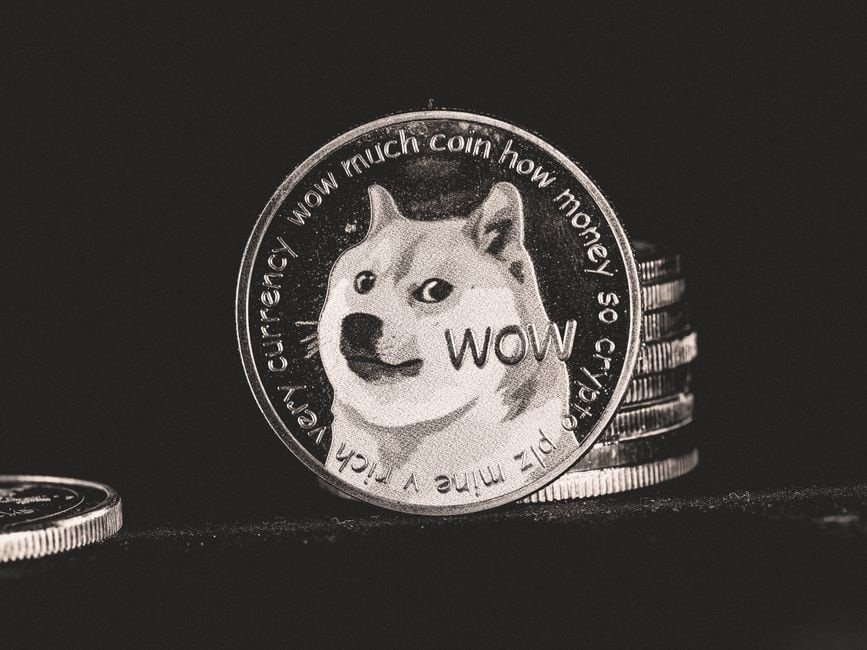
Cryptocurrency markets have cycled through countless meme coin experiments over the past several years, from Dogecoin to Shiba Inu to literally thousands of imitators. The appeal is straightforward: low entry barriers, potential for explosive gains, and community-driven narratives. But what made early meme coins work was authentic grassroots enthusiasm, not manufactured controversies.
The LAPTOP meme coin attempts to capitalize on a real political moment, but there’s a critical difference between organic memetic value and forced topicality. Traders who specialize in digital assets have become increasingly sophisticated about identifying projects with staying power versus those designed purely for short-term volatility. The lukewarm reception so far suggests the crypto community recognizes this launch as more spectacle than substance. When most active traders in major crypto communities aren’t discussing a project ahead of its release, that’s a telling signal about expected adoption.
DeFi Integration and Infrastructure Questions
Beyond pure sentiment, the broader cryptocurrency and DeFi ecosystem hasn’t shown particular enthusiasm for politically-themed tokens. Part of this relates to practical concerns. Does the LAPTOP meme coin have any genuine utility within decentralized finance protocols? Will it be integrated into liquidity pools, staking mechanisms, or yield farming opportunities? Without functional integration into the broader DeFi landscape, digital assets like this remain purely speculative casino chips rather than participating members of the crypto economy.
Successful tokens in 2024 typically offer some combination of genuine use cases, strong developer communities, and network effects that extend beyond pure speculation. A politically-motivated meme coin lacks most of these foundations. Traders evaluating where to deploy capital in cryptocurrency markets will compare this against projects actually building infrastructure, improving transaction efficiency, or offering legitimate governance participation in decentralized systems.
The Regulatory and Reputational Wildcard
There’s also an elephant in the room: regulatory scrutiny. Any cryptocurrency project explicitly tied to a political figure, particularly one named after a controversial news story, attracts heightened attention from both regulators and institutional observers. This doesn’t necessarily doom the project, but it adds friction and uncertainty that sophisticated traders prefer to avoid when deploying capital into digital assets.
Additionally, institutional investors and larger cryptocurrency firms increasingly care about reputational risk. Associations with controversial political figures create PR complications that most serious market participants would rather sidestep entirely. When you’re competing for mindshare and liquidity within the crypto ecosystem, that kind of baggage actually works against you rather than generating the attention you might hope for.
Key takeaway: The LAPTOP meme coin’s underwhelming reception ahead of launch reflects a maturing cryptocurrency market that increasingly distinguishes between genuine innovation in digital assets and novelty plays riding existing cultural moments. Traders have seen enough failed meme coins to develop strong pattern-matching instincts, and a politically-themed token without clear utility or community enthusiasm doesn’t pass their evaluation criteria.
The real question isn’t whether this particular meme coin will moon or crash—it’s what its weak market reception says about how traders now evaluate projects in the DeFi and broader cryptocurrency space. Do you think political meme coins represent a genuine new market segment, or are we just watching the predictable death throes of the meme coin era?
Get Tech Savvy Digest in your inbox
IT news, cybersecurity, and crypto — the signal, not the noise. No spam, unsubscribe anytime.